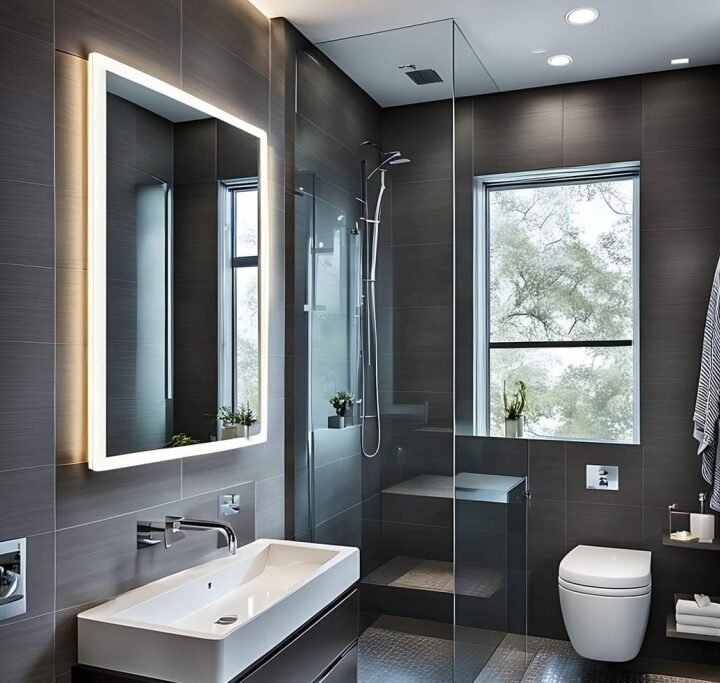
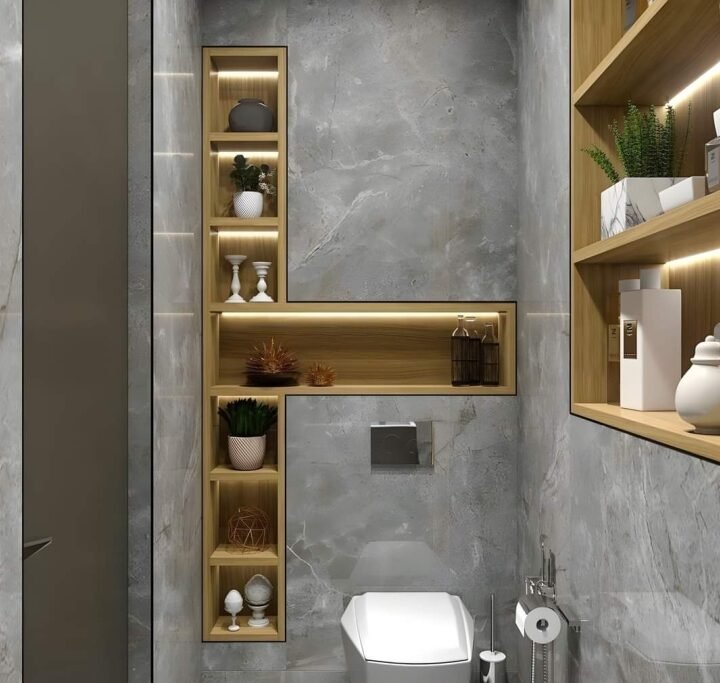
Bathroom Wall Tiles vs Floor Tiles: How to Choose
Walk into any tile showroom and you will see two big groups: wall tiles and floor tiles. They can look alike, but they are made for different jobs. Picking the wrong one for your bathroom can lead to slips, cracks, or stains. This guide explains bathroom wall tiles vs floor tiles in plain words, so you can choose with confidence.
For style ideas, see our main guide to bathroom tiles design.
The Quick Answer
- Bathroom floor tiles must be strong, low in water absorption, and slip resistant.
- Bathroom wall tiles can be thinner, lighter, and glossier, since no one walks on them.
- You can use a floor tile on a wall, but you should not use a thin wall tile on a floor.
How Bathroom Floor Tiles Are Different
Strength
Floor tiles carry your weight, a dropped bucket, and sometimes a heavy cabinet. They are thicker and harder. Most good bathroom floor tiles are vitrified. Under the Indian standard IS 15622 for ceramic tiles, vitrified tiles absorb 0.5% water or less, which makes them dense and tough.
Grip
A wet, soapy floor is the top cause of bathroom falls. Floor tiles for bathrooms should be matte or textured. Look for an anti-skid or R10 rating at least. For the shower area, R11 gives even more grip.
Size
Smaller floor tiles, like 300×300 mm, help the floor slope toward the drain. They also add grout lines that help with grip. Larger tiles look sleek but are better for the dry area.
How Bathroom Wall Tiles Are Different
Weight
Wall tiles are often ceramic. They are lighter, so they stick to walls easily and put less load on the wall.
Finish
Glossy finishes are common on walls. They reflect light and are very easy to wipe clean. Wall tiles also come in more prints, 3D textures, and bright colours.
Size
Popular bathroom wall tile sizes include 300×450 mm, 300×600 mm, and 600×1200 mm. Bigger sizes mean fewer joints and a cleaner look.
Side-by-Side Comparison
| Feature | Bathroom Floor Tiles | Bathroom Wall Tiles |
|---|---|---|
| Main material | Vitrified or porcelain | Ceramic or vitrified |
| Finish | Matte, textured, anti-skid | Glossy, satin, or matte |
| Thickness | Usually thicker | Usually thinner and lighter |
| Water absorption | Very low | Low to medium |
| Can it go on the other surface? | Yes, can be used on walls | No, not strong enough for floors |
Bathroom Wall Tiles Design Ideas
- Two-tone walls: A darker tile up to 4 feet and a lighter one above it.
- Feature wall: A patterned or 3D tile behind the basin or in the shower.
- Vertical subway tiles: These make a low ceiling feel taller.
- Full-height plain tiles: Simple, clean, and great for small bathrooms.
Bathroom Floor Tiles Ideas
- Wood-look matte tiles for a warm, natural feel.
- Stone or cement-look tiles that hide water spots well.
- Mosaic tiles on the shower floor for extra grip.
- Darker floor, lighter walls to add depth and hide stains.
Can You Use One Tile for Both?
Yes, and it looks very modern. Many brands make the same design in two finishes: glossy for walls and matte for floors. You get a seamless look and the right grip underfoot. Just make sure the floor version is truly anti-skid.
Get Expert Help in Chennai
Still not sure? Bring your bathroom size to our tiles showroom in Chennai. We will show you matching wall and floor tiles and help you work out how many boxes you need.
FAQs
Can I use wall tiles on a bathroom floor?
No. Most wall tiles are too thin and slippery for floors. They may crack under weight or cause falls.
Can I use floor tiles on bathroom walls?
Yes. Floor tiles are strong enough for walls. Just check the weight with your installer for very large tiles.
What is the best size for bathroom floor tiles?
300×300 mm or 600×600 mm work well. Use smaller tiles in the shower for better slope and grip.