


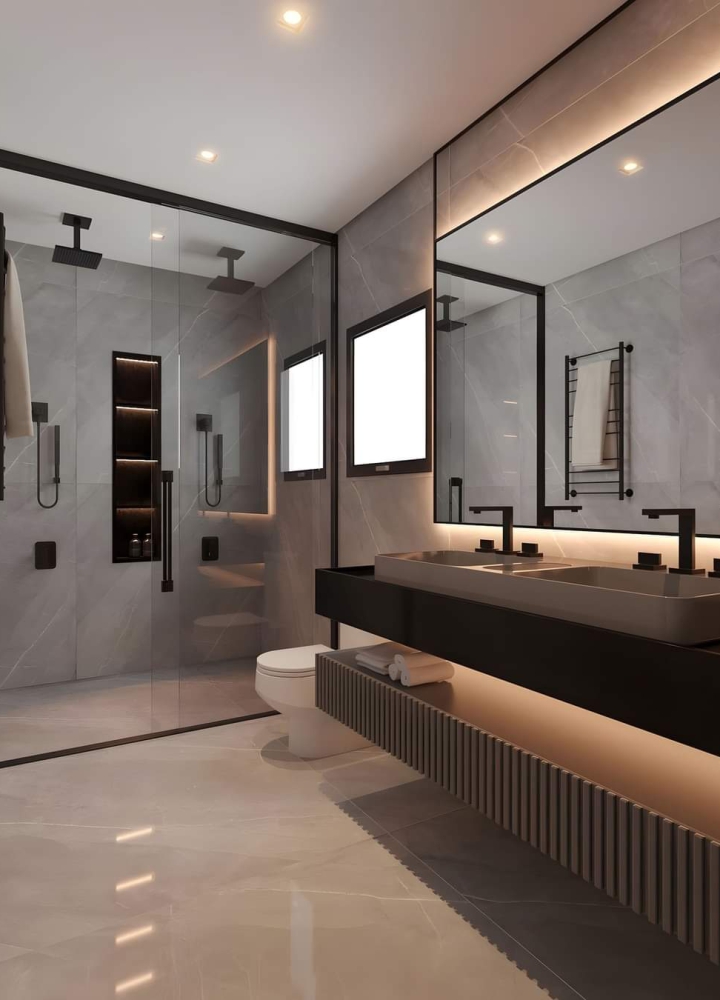
Wall Hung Toilet: Pros, Cons, Height and Plumbing
Wall hung toilets are one of the most popular upgrades in modern Indian bathrooms. The bowl floats above the floor and the tank hides inside the wall. The result is a clean, spacious look that is easy to clean. But are they right for your home? This guide covers wall hung toilet pros and cons, the right height from the floor, and how the plumbing works.
For other toilet types, read our western toilet guide.
How a Wall Hung Toilet Works
A wall hung toilet has three main parts:
- The bowl: Fixed to the wall with no base touching the floor.
- The concealed cistern: A slim tank hidden inside the wall or behind a false wall.
- The frame: A strong steel frame that holds the bowl and cistern. It carries the weight, not the bowl.
You flush using a push plate on the wall, often with two buttons for dual flush.
Wall Hung Toilet Plumbing Basics
Here is a simple view of the plumbing, like a basic diagram in words:
- The steel frame is fixed to the floor and wall before tiling.
- The concealed cistern sits inside the frame, with the water inlet connected to it.
- The waste outlet runs from the bowl position into the drain pipe behind the wall. This is like a P-trap connection.
- The wall is then closed with board or masonry and tiled.
- The bowl is fixed to two threaded rods sticking out of the wall.
- The flush plate is fitted last. It also works as an access panel to the cistern.
Because the cistern sits inside the wall, it is best planned during construction or a full renovation.
Wall Hung Toilet Height From Floor
One big advantage is that you choose the height. Standard toilets usually have a seat height of about 390 to 430 mm. A Bathroom Mountain guide to toilet heights notes that wall-mounted frames can be set from about 420 mm upward, so you can match the height to the user.
- Average adults: About 400 to 430 mm seat height.
- Elders or tall users: About 430 to 480 mm is easier to sit and stand from.
- Always measure from the finished floor, after tiles are laid.
Pros of Wall Hung Toilets
- Easy cleaning: You can mop right under the bowl.
- Space saving: The hidden tank saves 15 to 20 cm of depth.
- Modern look: Clean, floating design.
- Adjustable height: Set it for your family’s comfort.
- Quieter flush: The cistern is inside the wall.
- Dual flush: Most concealed cisterns offer water-saving dual flush.
Cons of Wall Hung Toilets
- Higher cost: You pay for the bowl, frame, cistern, and flush plate.
- Best for new builds: Fitting one in an old bathroom means breaking the wall.
- Skilled installation: The frame must be fixed correctly.
- Repairs need access: Most parts can be reached through the flush plate, but major repairs are harder.
Modern Wall Hung Toilet Features
- Rimless bowls that are easier to clean.
- Slim soft-close seats.
- Matte black, white, or chrome flush plates.
- Smart models with bidet wash and auto flush.
Is a Wall Hung Toilet Strong Enough?
Yes. The steel frame carries the load, not the ceramic bowl. Good frames are tested to hold well above an adult’s weight. The key is proper fixing to the floor and wall by a trained plumber.
See Wall Hung Toilets in Chennai
Visit our sanitaryware showroom in Chennai to see wall hung toilets, concealed cisterns, and flush plates from leading brands. Our team can explain the frame options and help you plan the plumbing.
FAQs
What is the standard wall hung toilet height from the floor?
Most are fitted with a seat height of about 400 to 430 mm. Taller users may prefer up to 480 mm.
Can I install a wall hung toilet in an old bathroom?
Yes, but it usually means opening the wall for the frame and cistern, or building a false wall.
Are wall hung toilets hard to repair?
Most cistern parts can be reached through the flush plate. Choose a trusted brand for easy spare parts.
