Full Body vs Double Charge vs Glazed Vitrified Tiles
When you shop for vitrified tiles, you will hear three names again and again: full body, double charge, and glazed. They can look alike on the showroom floor, but they are made in different ways. That changes how long they last, how they look, and what they cost. This guide explains the difference in simple terms.
New to vitrified tiles? Start with our main guide on vitrified tiles: meaning, types and price.
The Short Answer
- Glazed vitrified tiles (GVT): Best designs and prints. Good for most homes.
- Double charge vitrified tiles: Thick design layer. Great for busy floors.
- Full body vitrified tiles: Colour runs all the way through. Toughest of all.
Glazed Vitrified Tiles (GVT and PGVT)
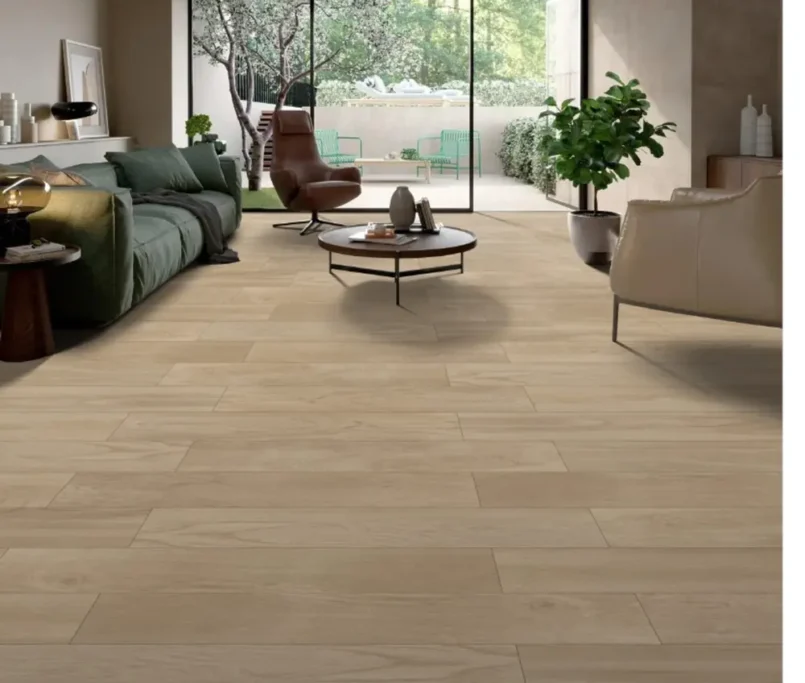
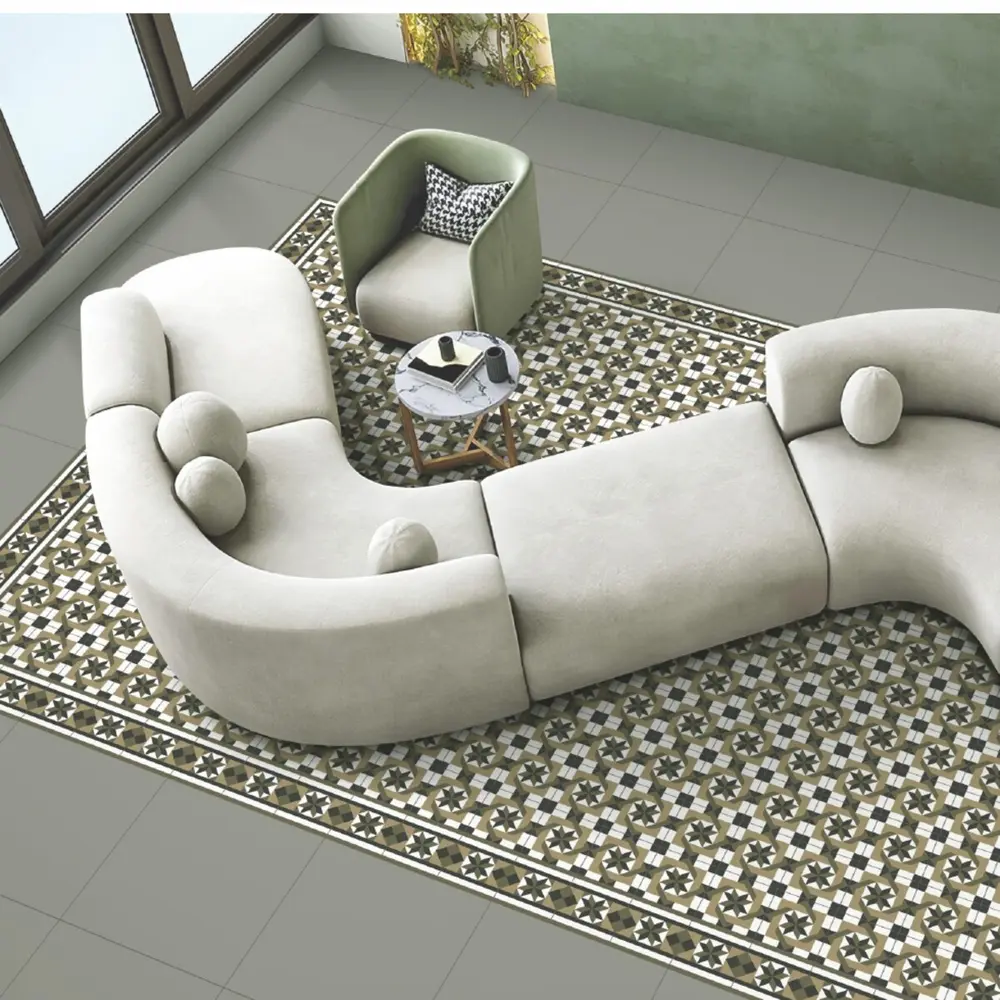
A glazed vitrified tile has a vitrified base with a layer of glaze on top. The design is printed on that glaze with digital printers. This is why GVT tiles can copy marble, wood, and stone so closely.
- Pros: Huge range of realistic designs, smooth finish, good value.
- Cons: The design sits only on the top layer. Deep scratches can show the base colour below.
- Best for: Bedrooms, living rooms, feature walls, and homes with normal traffic.
PGVT simply means polished glazed vitrified tile. It has a high-gloss finish.
Double Charge Vitrified Tiles
Double charge tiles are made by feeding two layers of pigment into the press together. This creates a thick design layer, often around 3 to 4 mm deep. Because the design is so thick, it wears very slowly.
- Pros: Very durable, stays looking good in busy areas, polished shine lasts.
- Cons: Fewer design options than GVT, mostly speckled and stone-like patterns.
- Best for: Halls, corridors, offices, shops, and large families.
Hindware’s guide to choosing double charge tiles compares them with GVT and full body tiles and notes where each one fits best.
Full Body Vitrified Tiles
In a full body tile, the colour and pattern run through the entire thickness. If the tile chips, the chip is the same colour as the surface, so it barely shows. Leading makers like Kajaria offer full body tiles in large 800×1600 mm sizes, so they now suit modern homes too, not just factories and parking.
- Pros: The toughest option, chips hide well, great for outdoors and heavy use.
- Cons: Usually costs more, and design choice is more limited.
- Best for: Parking, entrances, outdoor areas, shops, and high-traffic spaces.
Side-by-Side Comparison
| Feature | Glazed (GVT) | Double Charge | Full Body |
|---|---|---|---|
| Where is the design? | Thin glaze on top | Thick top layer, about 3 to 4 mm | Through the whole tile |
| Design choice | Widest | Medium | Limited |
| Wear resistance | Good | Very good | Excellent |
| Chips show? | Yes, can show base | Less | Barely |
| Typical use | Homes, bedrooms, walls | Halls, offices, shops | Parking, outdoors, heavy use |
Which One Should You Choose?
- Want a marble or wood look at a fair price? Go with GVT.
- Have a busy hall or a big family? Double charge is a smart pick.
- Tiling a parking area, entrance, or shop? Choose full body.
- Mixing them? That works well. Use GVT in bedrooms and double charge in the hall.
How to Tell Them Apart in a Shop
- Look at the side edge of the tile. Full body shows the same colour all through.
- Double charge shows a thick coloured top layer.
- GVT shows a thin printed layer over a plain base.
- Check the box label, which should name the type.
See All Three at Our Chennai Showroom
The best way to choose is to see them side by side. At our tiles showroom in Chennai, we can show you the edges and finishes of each type. We will help you match the right tile to each room and budget. For room ideas, see our hall floor tiles design guide.
FAQs
Which is better, double charge or GVT tiles?
Double charge lasts longer in busy areas. GVT has better and more varied designs. Pick based on where the tile will go.
Are full body tiles good for homes?
Yes, especially in entrances, parking, and outdoor areas. They are tougher but cost more.
Do GVT tiles fade?
The printed design does not fade with normal use. Deep scratches can show the base, so use mats in very busy spots.